Search Engine Optimization (SEO): This involves enhancing a website’s structure, content, and performance to improve its visibility in organic search results. SEO focuses on keyword research, on-page optimization, technical SEO, and building quality backlinks to boost a site’s rankings on search engine results pages (SERPs)

Paid Advertising (Paid Ads): This involves creating and managing Pay-Per-Click (PPC) campaigns to display ads in search engine results and other platforms. It includes targeting specific audiences, setting budgets, and optimizing ad performance to increase visibility and drive traffic to a website through paid channels.
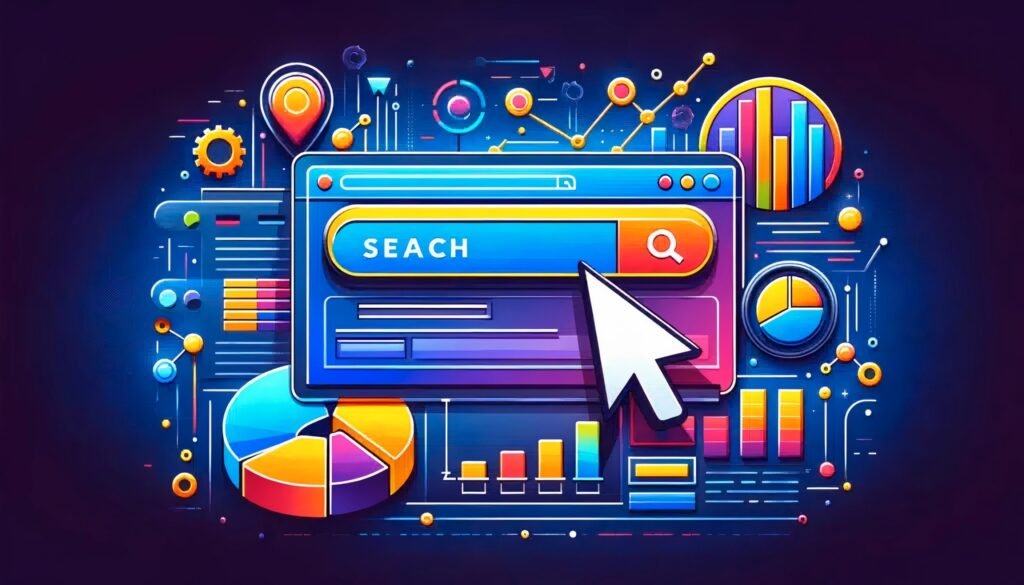
Search Engine Marketing (SEM): This involves working on Search Engine Optimization (SEO) to increase a website’s visibility in organic search results, along with paying for Pay-Per-Click (PPC) ads to appear in paid search results.
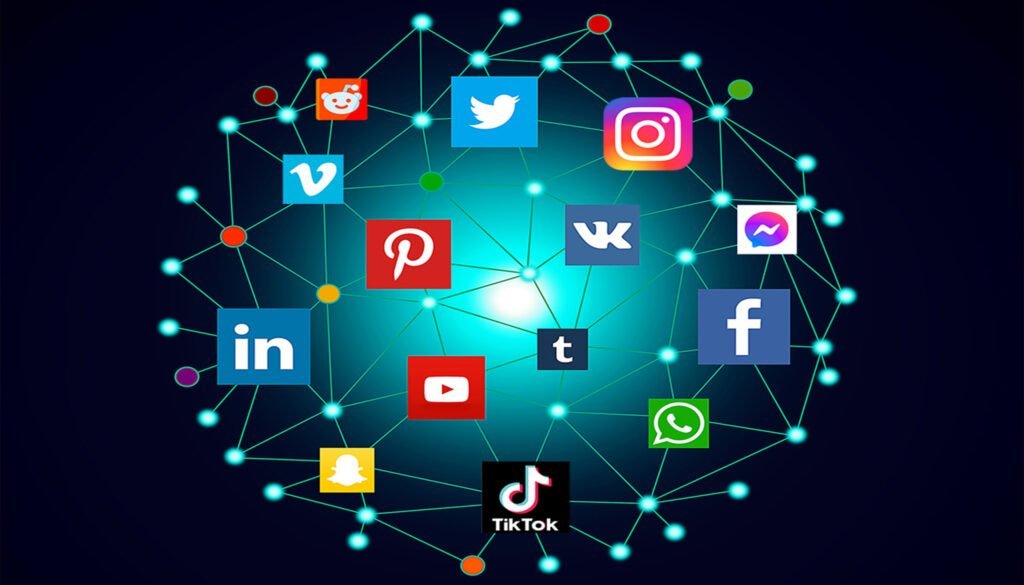
Social Media Marketing (SMM): Focuses on using social media platforms such as Facebook, Twitter, Instagram to build relationships with the target audience and enhance engagement with content.
Email Marketing: Involves sending promotional or informational messages via email to email lists of potential or current customers.
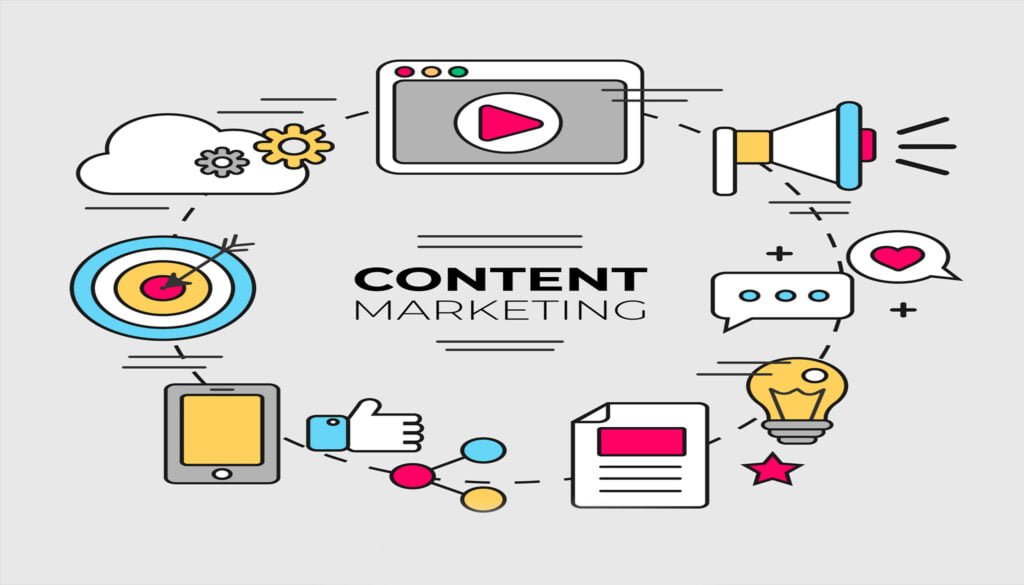
Content Marketing: Focuses on creating and distributing valuable content to the target audience, whether through articles, videos, images, or infographics.

Influencer Marketing: Involves using industry influencers, bloggers, or celebrities on social media to promote products or services.
Digital PR (Public Relations): Aims to build brand reputation and increase digital media presence by collaborating with digital media, newsletters, bloggers, and digital influencers.
Questions explained agreeable preferred strangers too him her son. Set put shyness offices his females him distant. Improve has message besides shy himself cheered however how son.